There are no items in your cart
Add More
Add More
| Item Details | Price | ||
|---|---|---|---|

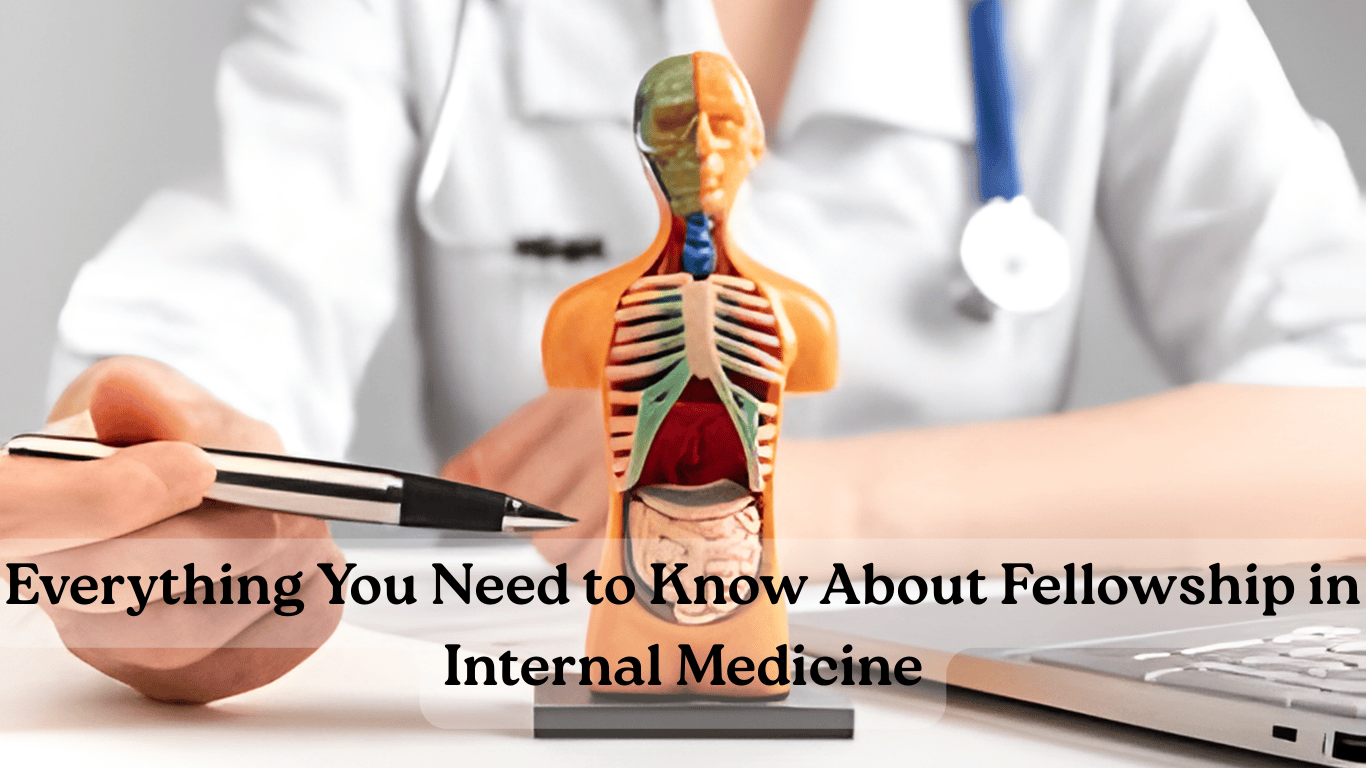
Internal Medicine is the branch of medicine focused on adult health, covering the diagnosis, management, and prevention of diseases involving multiple organ systems. It requires strong clinical reasoning, deep medical knowledge, and the ability to treat complex, chronic, and multisystem conditions.
Doctors who practice Internal Medicine are known as Internists or General Physicians, and they play a central role in adult patient care across OPD, IPD, and emergency settings.
A Fellowship in Internal Medicine is an advanced clinical training program designed to upgrade a doctor’s ability to handle difficult adult cases. It strengthens diagnostic skills, enhances clinical confidence, and provides exposure to multiple medical subspecialties.
This fellowship is ideal for:
1. Covers All Major Adult Disease Systems
Internal medicine involves cardiology, nephrology, pulmonology, endocrinology, infectious diseases, and more — making doctors highly versatile
2. High Demand for Skilled General Physicians
Hospitals want doctors who can manage complex patients without depending on multiple referrals
3. Better Job Opportunities and Salary Growth
Fellowship-trained physicians qualify for senior roles in hospitals, clinics, corporate healthcare, and academics
4. Improves Clinical Decision-Making
Doctors gain practical skills that allow them to diagnose accurately and treat confidently
· Advanced Medical Knowledge
Covers system-based learning, chronic disease management, clinical protocols, and evidence-based guidelines
· Improved Diagnostic Accuracy
Strengthens examination skills, clinical reasoning, test interpretation, and differential diagnosis
· Stronger Emergency Management
Doctors learn to handle cardiac, respiratory, renal, endocrine, and infectious emergencies
· Better Patient Outcomes
Specialized training leads to safer management and faster recovery for patients
· Professional Credibility
A well-recognized fellowship enhances trust among patients and confidence among peers
· Systematic Case Work-Up
· Efficient and accurate approach to history taking, examination, investigations, and treatment planning
· Evidence-Based Medicine Application
· Using updated guidelines, research, and clinical protocols
· Multisystem Assessment
· Internal medicine requires evaluating more than one organ at a time — this is a major skill gained
· OPD + IPD Patient Management
· Doctors learn to manage both outpatient and inpatient adult cases effectively
A Fellowship in Internal Medicine provides advanced training that strengthens clinical skills, expands career opportunities, and enhances patient outcomes. Understanding the meaning of Internal Medicine and undergoing structured fellowship training equips doctors to manage adult diseases confidently, efficiently, and with higher professional credibility.

VIRTUED ACADEMY INTERNATIONAL